



Welcome to our blog packed with tips for creating a sensory experience at your next party using sensory pouches! Whether you’re hosting a children’s birthday party, celebrating a baby shower, or just want to create a fun and interactive gathering, sensory pouches are the perfect way to stimulate the senses of young and old. Discover how to make tactile bags that appeal to every sensory need and age group. From colorful and visually stimulating to tactile and textural, you’ll learn how to find the perfect mix to enchant young and old alike. Learn which materials work best and how to use them safely .
Sensory pouches are small pouches that are filled with different materials and textures to stimulate the senses. They are designed to stimulate touch, vision, hearing, and even smell. Sensory pouches can be used as a form of sensory play, therapy, or simply as a fun activity at parties. They are easy to make and adapt to different needs and age groups.
Sensory pouches offer several advantages, especially in terms of sensory stimulation and development. They can help promote fine motor skills, hand-eye coordination, concentration, and even reduce stress and anxiety. By using different textures and materials, sensory pouches can also help develop the sense of touch and explore the world around us. Additionally, sensory pouches are a great way to encourage creativity and imagination, as they can be endlessly customized and adapted to different themes and activities.
There are different types of sensory pouches that you can make, depending on the desired sensory experience and any theme Here are some popular types of sensory pouches:
These bags are transparent and filled with colorful materials such as sequins, glitter, colored sand or watercolor. They are perfect for stimulating eyesight and creating a visual spectacle.
These tactile bags contain materials with different textures, such as silky fabrics, buttons, feathers or beads. They’re great for stimulating the sense of touch and helping kids explore different textures.
These sensory pouches are designed to make noise when shaken. They can be filled with rice, beans, bells, or even small musical instruments. They are perfect for stimulating hearing and helping children discover different sounds and tones. Ideal also for children with a visual impairment.
These bags contain fragrant materials such as dried flowers, herbs, coffee beans or essential oils. They are great for stimulating the sense of smell and creating a relaxing atmosphere. Think of the well-known lavender scented sachets, ideal for the bedroom to unwind at bedtime.
Sensory pouches can be adapted to different age groups and stages of development. Here are some ideas for sensory bag activities for different age groups:
1. Babies and toddlers: Fill a bag with soft fabrics, buttons and ribbons to stimulate the sense of touch. Babies and toddlers can hold, explore and play with the bag.
2. Preschoolers and school-age kids: Create a visually appealing bag with glitter, colored sand, and small toy figures. Kids can shake the pouch, twist it, and use their imagination to create stories.
3. Teen and adult groups: Make a relaxing sensory bag with dried flowers, essential oils, and rice. This pouch can be used as a stress ball or as an aid to meditation and relaxation.
Read our blog here with even more sensory play activities for your children.
Sensory pouches can also be a valuable tool for children with special needs. They can help calm overstimulation, promote concentration, and provide sensory stimulation. It is important to adapt sensory pouches to the specific needs and sensitivities of each child. Always consult with a special needs professional for advice and guidance.
In addition to parties and games, sensory pouches can also be used therapeutically. They can be used in various forms of therapy, such as sensory integration therapy, autism therapy, and physical therapy. The materials and textures in the pouches can be adapted to the specific needs and goals of the therapy.
Making sensory pouches is easy and fun. Here’s a simple step-by-step guide to get you started:
Step 1: Choose the material: Choose materials that suit the type of sensory experience you want to create. Think of fabrics, buttons, sequins, feathers, beans, rice, dried flowers, etc.
Step 2: Choose your bag: Choose a suitable bag to put the sensory materials in. This can be a small cloth bag, a ziplock bag, or even a transparent bag.
Step 3: Fill the bag: Fill the bag with the chosen materials. Make sure you include enough material to provide the desired sensory stimulation.
Step 4: Close the pouch: Seal the pouch tightly to ensure that the materials cannot leak or escape. For example, use a sewing machine, Velcro or a sturdy button.
Wat heb je nodig?
To make our sensory pouch you need the following items:
Hair Gel
Pouches
Dye
Possibly glitter or googly eyes, buttons or languid elastic bands
Hoe maak je de voelzakjes?
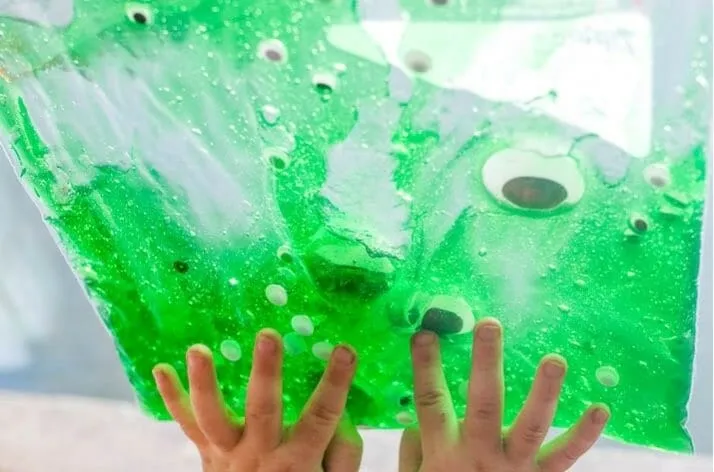
You put hair gel in a ziplock bag and add food coloring. If desired, you can add googly eyes, glitters or loom elastics etc. for extra stimuli.
Then you let all the extra air out and zip the bag closed. Fun to stick the sensory bags for young kids on the table or on the window.
Variaties op de haargel voelzakjes
Instead of using hair gel, fill the tactile bag with one of the following products
spaghetti
Shaving foam
Of course, you can also add dye and other small visually stimulating material to this.
While sensory pouches can be fun and educational, it’s important to consider the safety of the users. Here are some important safety tips:
1. Avoid small parts: Make sure that the sensory materials you use do not contain small parts that could pose a choking hazard to young children.
2. Supervise: Make sure children are always supervised when playing with sensory pouches, especially young children who tend to put things in their mouths.
3. Allergies: Inform parents about the materials used in the sensory pouches, especially if they have allergies. Make sure that no materials are used that are known to cause allergic reactions.