Sensory toys

Looking for sensory toys that help children explore, relax and process stimuli? In this category you will find materials that gently engage the senses, from play sand and water beads to sensory bottles and discovery trays.

Sensory toys

In stock

Price

Category

Chewing firmness

Colour

Brands

Age

Material

Sale

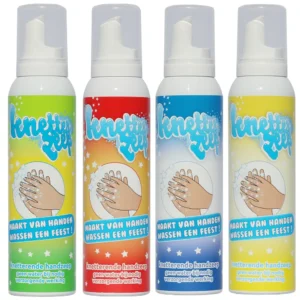
With crackling soap, your children like to wash their hands. A little bit of foam on the hands and hear and see the crackling. Washing without water
Crackling soap
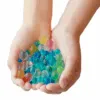
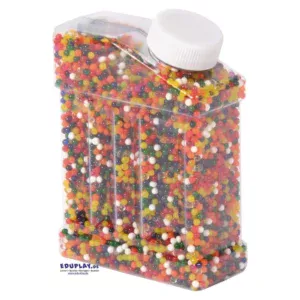
Water beads for children, colorful and soft sensory beads for tactile stimulation, play and relaxation, ideal for sensory play and creativity.
Water Beads
With crackling soap, your children like to wash their hands. A little bit of foam on the hands and hear and see the crackling. Washing without water
Crackling soap – set of 4
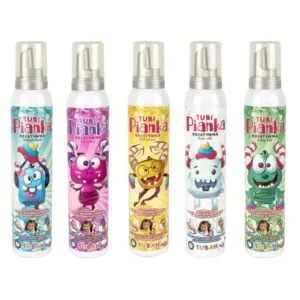
Tubi Foam is a foam for the bath that feels colorful and pleasant and challenges your child to creative and sensual play.
Tubi Foam
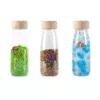
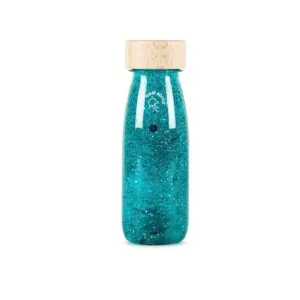
Petit boum sensory bottle (float bottle) is a great way to visually excite young children. But it also regulates tension for children who are sensitive to stimuli, such as children with autism or demented elderly people.
Petit Boum Float Bottle
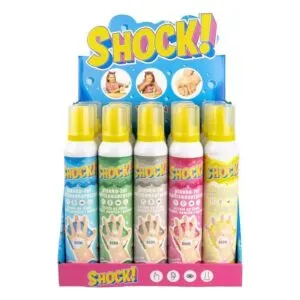
Shock multisensory gel from the brand Tuban resembles the happy senso. It is available in different scents and stimulates the senses.
Shock Multisensory gel
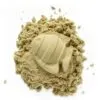
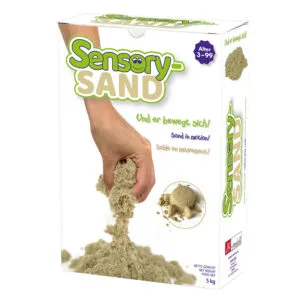
Sensory sand is kinetic sand. You must have seen and felt this play sand. You can knead with it, make shapes, it does not stick and does not dry out
Sensory Sand
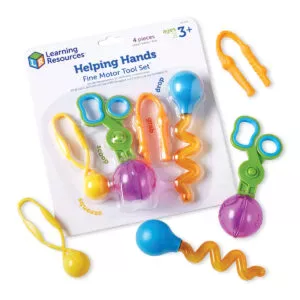
The fine motor skills set playfully stimulates the finger force, the coordination and the tweezer grip.
Fine Motor Skills Set
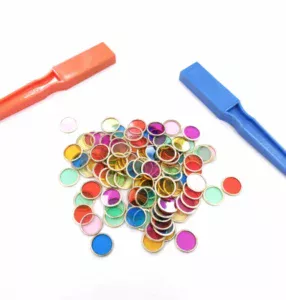
Magnetic set consists of 2 magnetic bars and 100 colored plastic chips. A nice set to teach children about magnetism within primary education.
Magnetic set: magnetic bars and chips
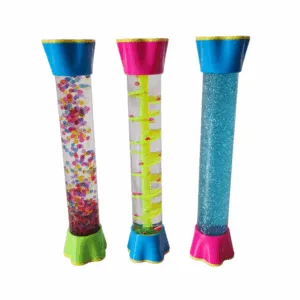
Educadora sensory tubes are similar to a drip pathway, but more suitable for young children to explore
Sensory Tubes
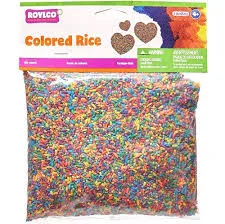
Colored rice for sensory play
Coloured rice
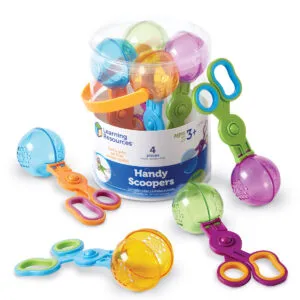
With the handy scoopers scissors you playfully practice the fine motor skills for learning to cut.
Handy Scoopers – Scoop scissors
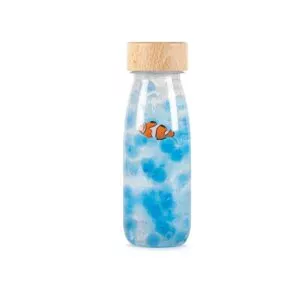
Petit Boum Sound Bottle Fish is filled with water beads and a fish that swirls around
Petit Boum Sound Bottle Fish
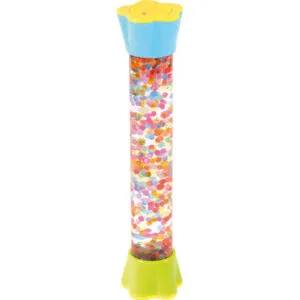
Ideal for both children and adults, this observation tube provides a soothing sensory break during a busy day. Perfect for classrooms, offices, or the home, they make an excellent addition to any environment in need of a calming influence.
Sensory tube
Sale
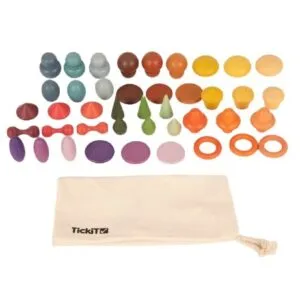
The wooden game material set is educational material to learn, sort and count the colors. But also useful for loose parts play.
Wooden Game Material
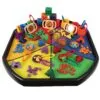
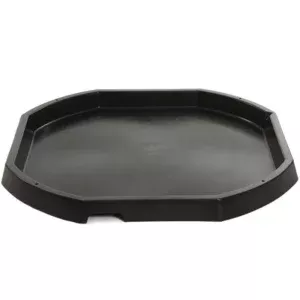
The Tuff Tray is a gaming table, also known as an activity table. It is a round deep bowl for challenging and learning play.
Tuff Tray – Activity table
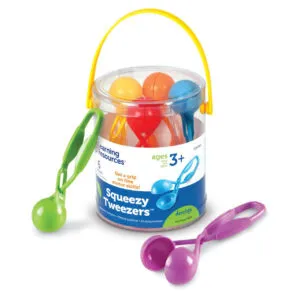
With the Squeezy Tweezers (grippers) you playfully practice the hand and muscle strength of your child and stimulate the development of fine motor skills.
Squeezy Tweezers
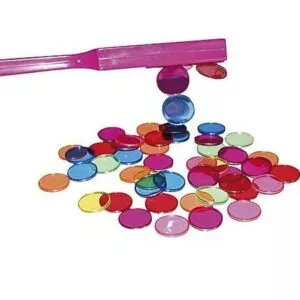
1 magnetic bar with colored chips. The edge of the chips has a line of iron and therefore you can lift them with the magnetic staff.
Magnetic bar with chips

What are sensory toys?

Sensory toys are toys that purposefully stimulate the senses: touch, sight, sound and movement. Think of squeezing fluffy sand, running water beads through your fingers or searching for small objects in a filled tray. By scooping, squeezing, sorting and exploring, children practise their fine motor skills and learn to cope with different stimuli. This sensory material is widely used for sensory processing, at home, in the classroom and in therapy. Where sensory toys mainly engage the senses, sensorimotor toys combine those stimuli with movement.

Choosing sensory toys by age and goal

The right material depends on the child’s age and on what you want to achieve. These main groups help you choose:

  • Feeling and exploring: play sand, fluffy sand, water beads and acrylic gems for touch and texture.
  • Sorting and fine motor skills: sensory bins, discovery trays and fine motor sets to scoop, grasp and count.
  • Calm and focus: sensory bottles that soothe and help hold attention.

For the youngest children from around 1 year, choose larger parts without small loose pieces. Older children enjoy more extensive sets and themed trays, for example with animals or dinosaur bones. This way you build a range that grows with the need for stimulation.

Frequently asked questions about sensory toys

What do sensory toys do?

They purposefully stimulate the senses and invite touching, looking and moving. This helps children practise their fine motor skills and process stimuli in a pleasant way.

From what age are sensory toys suitable?

There are sensory toys from around 1 year. For the youngest children, choose materials with larger parts and watch out for small loose pieces.

Are sensory toys suitable for autism or sensory processing?

Yes, they are often used to help regulate stimuli. Depending on the material, they work in a calming or an activating way.

What is the difference between sensory and sensorimotor toys?

Sensory toys focus on the senses. Sensorimotor toys combine those sensory stimuli with movement and gross motor skills.

Which sensory toys are suitable for the classroom?

Sensory bins, sensory bottles and indoor play sand are practical in a classroom. They are easy to use together and quick to tidy up.