




Using Tangle Toys at School for Better Concentration
Using Tangle Toys at school can offer a surprising number of benefits. These playful and colorful tools help children to strengthen their concentration and focus.
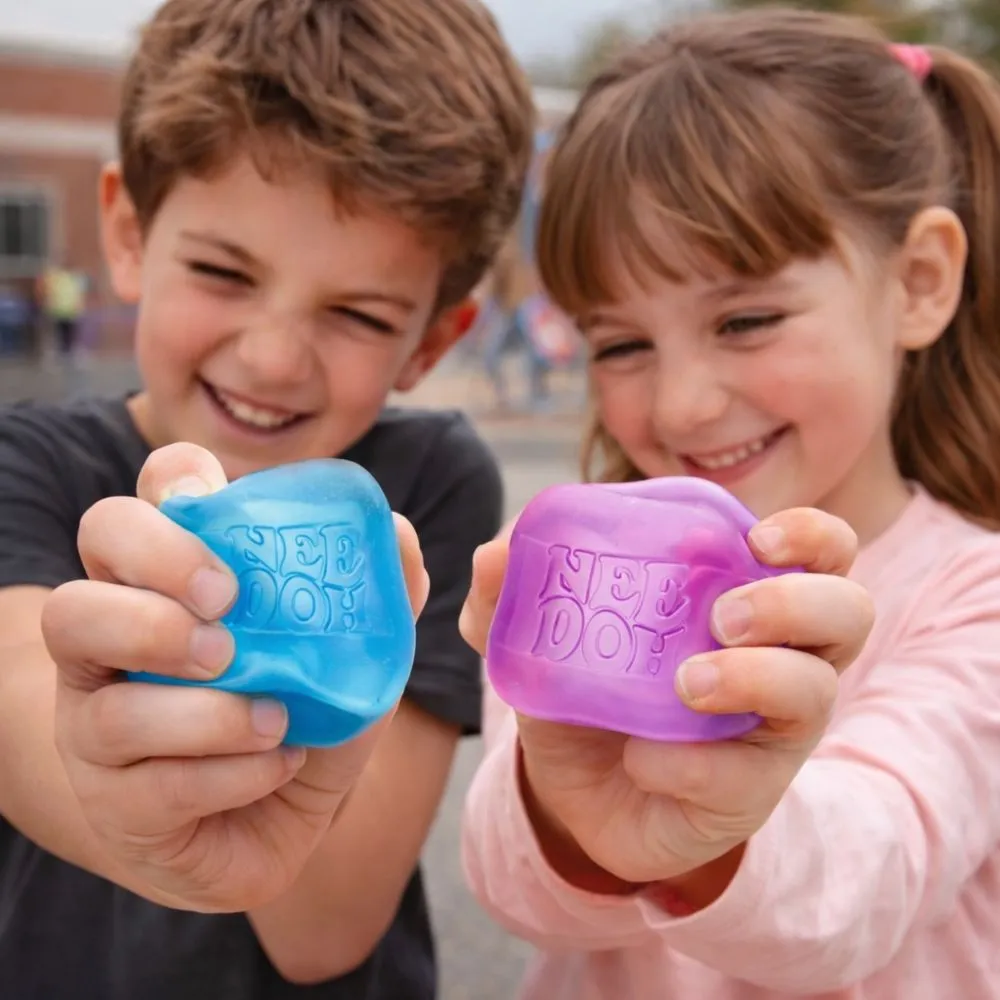
NeeDoh is one of the most popular squeeze balls on the market, but it doesn’t suit every child. You know the picture: your child squeezes that colorful squeeze ball all day long, but the restlessness does not disappear. The ball goes to school, comes back home, and yet the child continues to fidget, distracted or overstimulated. As a remedial educationalist and owner of Educadora, I regularly recognize this pattern: parents who buy a popular product in good faith, without it matching the specific stimulus profile of their child.
Sensory toys like the NeeDoh squeeze ball are extremely popular, and for good reason. But popular does not automatically mean effective for your child. The choice of the right aid depends on how the nervous system processes stimuli, and that varies enormously from child to child. This article explains what a NeeDoh stress ball does, who it works for, when it falls short, and which alternatives are a better fit.
NeeDoh is a soft, squeezable ball from the American brand Schylling. The product comes in several variants: the Classic (also known as Groovy Glob) is round, supple and available in bright colors. The NeeDoh Nice Cube is more angular with a firmer, slow-rebound resistance and holds its square shape well after squeezing. The NeeDoh Nice Mountain is a larger variant, suitable for two-handed use. In addition, there are smaller versions such as the NeeDoh Nice Ice Baby of about 3.2 cm, handy for in the jacket pocket, and figure variants such as the Cool Cats and the Gummy Bear.
The sensory effect is in the tactile stimulus: you apply pressure and feel the bounce back of the ball or cube. That repeatable, predictable input engages the proprioceptive system and can help regulate the nervous system. Researchers point out that tactile and proprioceptive stimuli can play a role in self-regulation, but the effects vary greatly from child to child and from context to context.
A squishy ball is best suited to stimulus seekers: children with a high tactile threshold who actively look for extra stimuli. They fidget, tap, and scratch not out of disobedience, but because their nervous system needs more input to stay regulated. A squeeze ball gives exactly that extra hand stimulus, without disturbing others.
Children with ADHD who need hand activity while listening or working may also benefit. The same applies to children with autism who flatten stress peaks via repeatable motor movements. The key is always: the stimulus must be predictable and non-distracting for the child himself.
But there are also situations where a squishy ball is the wrong choice. Stimulus-sensitive children, who are overwhelmed too quickly by incoming stimuli, can become more restless from the strong tactile stimulus. Children with an oral search need who tend to bite do not benefit from a NeeDoh either: the product is not designed for that and is not safe for oral use. Schylling emphatically advises against it for children under 3 years of age because of the risk of suffocation. Children who need a deep pressure sensation, a comprehensive, calming body feeling, simply do not need a hand stimulus.
A mother of a seven-year-old with autism describes how a squishy stress ball helps with difficult transitions, such as turning off the TV or transitioning to bed. She uses the ball as an announcement of the menopause: the child gets it in his hands at the moment the menopause is announced, not afterwards as a reward. According to her own description, the predictable hand stimulus helps the child to handle the tension of the menopause. This is an individual practical experience, not a generally proven effect. A point of attention is that the ball loses elasticity after intensive use but can also damage it (and be careful with nails). Don’t expect a durable tool. So keep this in mind whether you choose a squishy ball or more durable fidgets.
In the classroom, an internal supervisor in regular primary education reports that squishy toys are used silently during classroom instruction. That works, but only with fixed agreements: when can the ball be used and how big can the movement be? What happens if the ball bounces away or distracts another child? Without these agreements, the aid quickly becomes a source of unrest. In addition, choose a variant that makes no noise and cannot roll over the table.
Occupational therapists who use sensory integration therapy sometimes use squeezable fidget toys as an activating stepping stone to a session: an initial stimulus for the nervous system that prepares the child for what follows. They always combine it with other stimuli and never use it as a stand-alone solution. That distinction is important: a stress ball is a tool within a broader plan, not a therapy in itself.
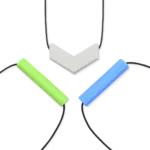
A squeeze ball such as the NeeDoh provides tactile stimuli. That is one channel, and for many children that channel is not the most effective. Bite necklaces and chewing jewelry provide oral proprioceptive input, a fundamentally different channel. For children with an oral search need, a chewing jewelry works visibly better than squeezing a ball. It is also safer and more hygienic than a squeeze ball that ends up in the mouth.
Quiet fidget toys such as the tangle are discreet, compact and durable, an alternative to consider! It can be used during classroom instruction without bouncing around the floor or attracting the attention of other children. For use in the classroom, it is more practical than the popular squishy toys in many situations. Wobble cushions work through a completely different mechanism: they provide vestibular-proprioceptive input to the whole body, which can calm children with a greater need for regulation more effectively than a hand stimulus alone.
Weighted stuffed toys deserve special attention here. They provide deep pressure sensation through even, encompassing pressure on skin and muscles, through a mechanism other than a squeeze ball. Instead of an active, local hand stimulus, a weighted cuddly toy gives a soothing, organizing body signal. For children who are overstimulated and need rest and security, instead of extra hand activity, this may be a more appropriate choice. Educadora offers a wide range of weighted cuddly toys based on weight and size for different ages, where you can email us for advice.
Safety and certification
Schylling has an official age limit of 3 years and older for NeeDoh products due to the risk of choking. Dutch stores usually follow this and explicitly state on the packaging that the product is not suitable for children under 36 months. Always check whether the product bears a CE marking when purchasing. Generic squeeze balls and cheap alternatives do not always comply with the European safety standards from the Toy Safety Directive (2009/48/EC) and the associated EN 71 series of standards. For children with biting behavior, there is a clear advice: choose a certified chewing jewelry or teething ring, not a squeeze ball.
Sustainability and maintenance
Dutch buyers vary when it comes to sustainability. The spring back is usually assessed positively, but cracks, leakage and loss of elasticity with intensive use occur. Cleaning is easy: rinsing with lukewarm water is sufficient. Schylling strongly advises against use in the dishwasher, microwave or freezer. Replace the ball as soon as the surface becomes sticky, the padding leaks, or the shape does not return after squeezing.
To advise you on this, I often ask a few key questions: what is the child’s stimulus-seeking need, through which sensory channel, and in which situation is the aid used? After all, these factors determine the choice of an appropriate aid. For stimulus seekers with an oral need, the bite chains and chewing jewellery from the Educadora range are the most logical choice: designed with safe, certified materials for everyday use. For children who need deep pressure sensation, weighted cuddly toys in the right weight for the age offer a cushioning and organizing effect that works well in practice.
For use in the classroom without distractions, silent fidget toys, wobble cushions under the seat or concentration screens are often more practical than a squeeze ball that can roll or attract attention. Educadora also offers packages for specific situations on request: a starter package for the classroom or the therapy room or a take-away set for on the road/at home. Parents and teachers who are unsure which aid is best suited can contact us via the Educadora webshop for personal advice.
Conclusion: it’s about the stimulus profile, not the product.
The squeeze ball is a useful tool for a specific group of children: stimulus seekers with a tactile search need who benefit from predictable hand stimulation. For that group, he does what he promises. But it is not a universal solution. For children with an oral search need or a need for deep pressure sensation, it is at best insufficient and at worst counterproductive. The same applies to stimulus hypersensitivity.
The right choice depends on the stimulus profile of the child and the situation in which the aid is used. Educadora was founded with that in mind, by owner Suzanne who sees every day what happens when parents and teachers choose a product based on popularity instead of on the child. The range and advice are directly tailored to this. Contact us for a personal consultation and discuss which aid matches your child’s stimulus profile.
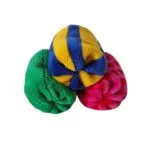
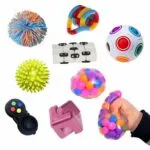
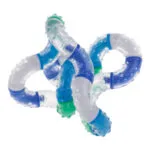
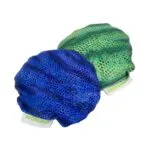
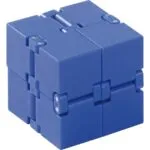
Using Tangle Toys at school can offer a surprising number of benefits. These playful and colorful tools help children to strengthen their concentration and focus.
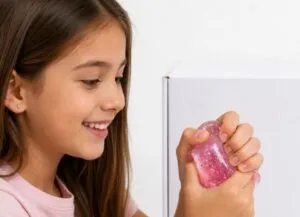
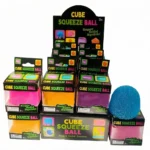
Needoh is a popular fidget toy, stress ball. But be sure to check out our alternatives. After all, every child does not have the same needs.

Difference between weighted blanket and weighted cuddly toy: Have you ever thought about the difference between a weighted blanket and a weighted cuddly toy?