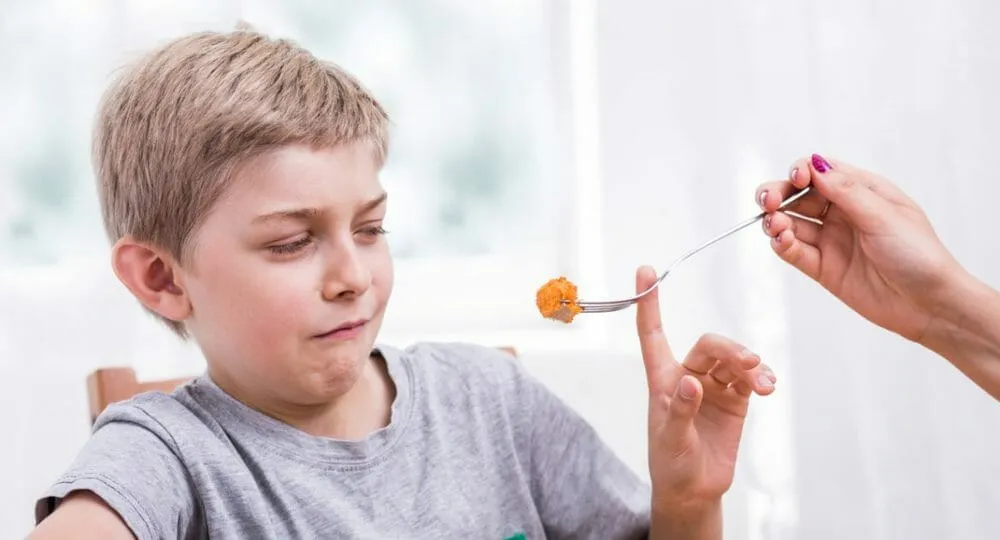
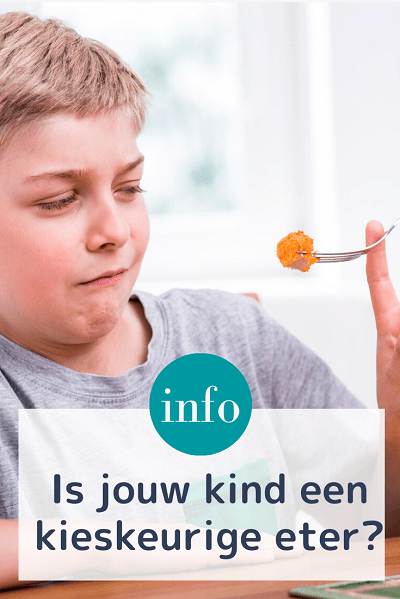
Is your child a picky eater? Picky eating can have a sensory cause.
It is of course no wonder that many children experience problems when eating! Since oral sensory processing is influenced by as many as three senses. Eating is therefore one of the most common areas affected by stimulus processing problems.
The senses that influence eating behaviour
In the eating process, we are dealing with 3 types of sensory stimuli that can influence your child’s eating process.
Tactile (touch)
The sense of touch receives input when something touches the lips, tongue, gums or cheek. The tongue, in particular, has many tactile receptors to provide feedback on how something feels or what the temperature of the food is like.
Children who are hypersensitive to tactile stimuli can be recognized by:
Doesn’t like brushing teeth
Prefers specific texture of foods, crunchy or soft
Likes bland foods with little or no flavor
Prefers foods that are smaller
Avoids messy or mixed textures of food (preferably eat everything separately and not mixed together)
Low registration of oral stimuli
Seems to have difficulty chewing various foods
Difficulties with using a straw (This is also often associated with poor oral motor skills, which refers to coordination and strength of mouth movements)
Often spits food out of the mouth while eating
Food seems to accidentally fall out of the mouth
Loses food from the mouth and therefore chokes on food (This gagging is different from what I mentioned in overprocessing. In this case, gagging does not happen immediately, but after the food is in the mouth. Note: gagging can also be caused by poor oral motor skills)
Oral sensory input is the fastest way to regulate the sensory system. Both to stimulate alertness and to calm down.
Tips for stimulus seekers
For children who are hypersensitive to oral stimuli, the following tips can be helpful:
Crunchy foods (raw vegetables, nuts, hard granola bars, popcorn, apples)
Vibrating oral material for the mouth (think of an electric toothbrush)
The following tips can help children who are hypersensitive to oral stimuli.
Slowly increase the tolerance of an electric toothbrush
Apply firm pressure when brushing teeth, brushing cheeks, tongue and gums properly!
Discover new foods without putting pressure on them to eat them. Talk about the color, texture, and smell of the food.
If your child avoids oral sensory input, some or all of these activities may still be too difficult. You can then divide them into small steps.
Share this article on social media
×
1
Product selection
2
Contact information
3
Review information
Manage cookie consent
We use technologies such as cookies to store and/or access information on your device. We do this to provide the best possible experience and to display personalized advertisements. By consenting to these technologies, we may process data such as browsing behavior or unique identifiers on this site. If you do not provide consent or withdraw your consent, this may negatively affect certain features and functionalities.
Functioneel
Always active
De technische opslag of toegang is strikt noodzakelijk voor het legitieme doel het gebruik mogelijk te maken van een specifieke dienst waarom de abonnee of gebruiker uitdrukkelijk heeft gevraagd, of met als enig doel de uitvoering van de transmissie van een communicatie over een elektronisch communicatienetwerk.
Voorkeuren
De technische opslag of toegang is noodzakelijk voor het legitieme doel voorkeuren op te slaan die niet door de abonnee of gebruiker zijn aangevraagd.
Statistieken
De technische opslag of toegang die uitsluitend voor statistische doeleinden wordt gebruikt.De technische opslag of toegang die uitsluitend wordt gebruikt voor anonieme statistische doeleinden. Zonder dagvaarding, vrijwillige naleving door uw Internet Service Provider, of aanvullende gegevens van een derde partij, kan informatie die alleen voor dit doel wordt opgeslagen of opgehaald gewoonlijk niet worden gebruikt om je te identificeren.
Marketing
De technische opslag of toegang is nodig om gebruikersprofielen op te stellen voor het verzenden van reclame, of om de gebruiker op een website of over verschillende websites te volgen voor soortgelijke marketingdoeleinden.