

What is understimulation?
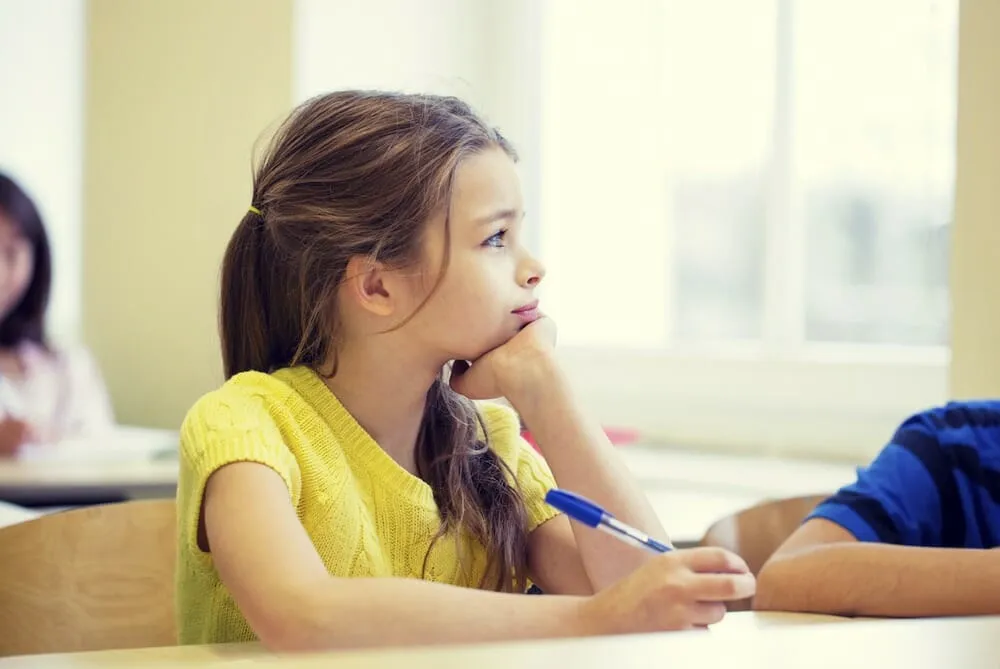
Understimulation involves a highly tuned filter for sensory information. This means that few stimuli come in. And it is precisely these that we need sensory stimuli to activate our brain. With understimulation we see children who have difficulty concentrating, they often sink, wander off and are insufficiently awakened by stimuli from their environment.
[Read more about stimulus processing]
Signs of understimulation
Passive
- Takes a long time to eat, is dreaming.
- Is sometimes a bit clumsy
- Shows little initiative in contact with others
- Accidentally puts on several socks
- Doesn’t notice that there is food or toothpaste on the cheeks
- Takes a long time to complete the morning routine (dreams away, wanders off)
- Sleeps through noises (also fireworks).
- Has trouble getting out of bed
- has a high pain threshold
- often lacks information / explanation
- difficulty potty training (does not feel the urge)
When your child does not actively look for stimuli, understimulation is a problem. After all, your child receives little information, does not get to work in class and has difficulty connecting socially, after all, quickly misses what the conversation is about, misses sensory signals.
Active
- Has no problem with large groups or crowds, finds it fun
- Loves eye-catching clothing
- Has a lot of Chaos and Clutter
- Sings and dances all day
- Loves scents and flavored toothpaste
- Is distracted by all the fun things around him and therefore has difficulty falling asleep.
- Gets up easily in the morning and is quickly full of energy.
- Can’t sit still, hangs upside down on the chair
Fortunately, many an understimulated child manages to actively look for stimuli, because this ensures that he or she ‘turns on’ his brain again. Is understimulation a problem?
An understimulated child needs more stimuli
As I describe it, understimulation seems at first glance less serious than overstimulation. The behavior of an understimulated child is not difficult. The environment is not bothered by it. An understimulated child can sometimes sit quietly in class (especially the understimulated student who is passive). As a teacher, you don’t seem to have to worry about it. But the opposite is true. This student misses a lot of information because this student dreams away and drops out. Understimulation ensures that children, for example, only pick up part of the important information in class. These children dream away and the teacher often does not notice that. It is precisely these children who need to be ‘shaken up’ every now and then. [ux_image id=”8803″]
Tips for understimulation (at home)
- Provide plenty of exercise moments, do a new sport
- Challenge the brain by offering something new. For example, learning to play an instrument or a new language or brain-challenging games.
- Change the routine: cycle a different route to school
- Challenge your child to set higher standards for himself, to improve
- Make use of multiple senses. Look for new music, delicious smells and new flavors
Tips for the classroom
- Let your child use fidgeting equipment
- Touch the understimulated child to wake them up
- Actively involve the understimulated child in the lesson by asking questions
- Have the child sit next to a busier child
- Provide short instructions and check whether the child has picked up the instruction.
- Some children benefit from chewing jewelry
Read our tips for overstimulation here.
Share this post via social media

If you find this article interesting, share it via social media