



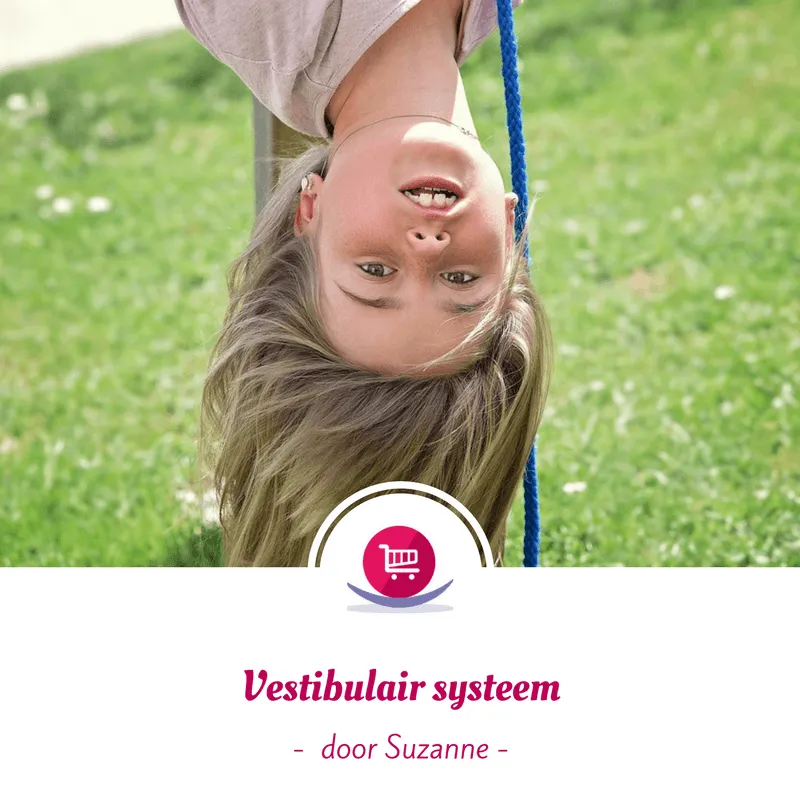
Hanging upside down stimulates our vestibular system. But what is that… the vestibular system? To be brief, our vestibular system is located in our inner ear. This sensory system is responsible for our sense of balance, spatial orientation (knowing where our bodies are in the world), and coordinates our balance with movement. Every movement we make stimulates our vestibular system.
If your child exhibits vestibular seeking behavior, scheduled activities that involve hanging upside down can give him the stimulation he needs and reduce sensory seeking throughout the day resulting in a reduction in sensory-related tantrums.
I regularly see all the behaviors quoted above in some of my 4 kids. And all these behaviors can take place in a time frame of only 5 minutes. But I’m sure I’m not the only mother who shouts that … A sofa is to sit on and put the cushions straight on the couch countless times.
Children who excessively seek vestibular stimuli can be seriously impaired in their functioning in daily life.
They prefer to be constantly on the move. The good thing about this is that there are certain activities that can provide a powerful dose of sensory input to your child, which can then have an effect for hours! So plan these sensory activities during the day.
My children hang upside down all the time on the couch, the swing and sometimes even in the climbing tree. Did you know that hanging upside down has an advantage?
There are some sensory benefits to hanging upside down. In fact, we can all benefit from hanging upside down during the day. It helps regulate and organize our nervous system. The unique experience of hanging upside down stimulates the vestibular system and has a calming or stimulating effect. Hanging upside down is therefore easy to use with positive results in children who are at risk of falling into a tantrum or when your child is recovering from a tantrum.
Your children can hang upside down as often as they want. Just follow their directions. Of course, if they don’t like it, or if they get lightheaded, you should stop.
There are many different ways to turn the head in normal play with your children. Here are some game suggestions
Being upside down isn’t the only thing that stimulates the vestibular system – although it’s one of the most effective. Other activities and games you can play throughout the day include:
In short, everything that has to do with moving your body with an emphasis on moving your head. In good weather or in winter, rolling down the dunes or down a hill with snow!
Spinning yourself around is another stimulating activity. Remember that the way your child turns can have a different effect on regulation.
Calm, slow, and steady turning in a single direction can help your child calm down. But spinning around quickly, shaking around can actually be overstimulating or exciting and lead to hyperactivity or dysregulation. My kids like to do the latter!
One of the best ways to prevent sensory seeking behavior and tantrums is to get ahead of the behavior. Regular sensory breaks can improve your child’s focus and prevent busy behavior throughout the day. Especially in today’s world, children tend to spend a lot of time behind screens. And then the use of many exercise moments is necessary to compensate and prevent drift onions.